AC Replacement in Hazleton, PA: How to Tell When Repair Isn’t Worth It
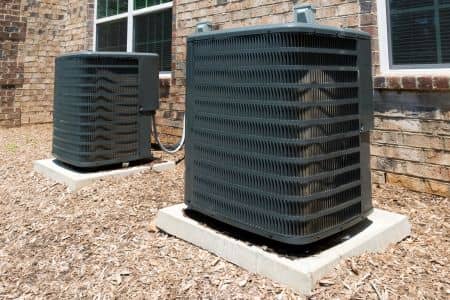
If your cooling keeps failing during a Hazleton heat wave, you’re likely wondering whether to keep fixing it or plan an air conditioning replacement. This guide explains how to make a confident choice, including when a new system improves comfort, lowers energy use, and reduces surprise breakdowns. If you’re leaning toward a change, explore professional air conditioning replacement options that fit local homes and our Pennsylvania climate.
The Repair vs. Replace Decision in Hazleton, PA
Hazleton summers are warm and humid, which puts steady pressure on your AC. Frequent service calls, climbing utility bills, and rooms that never quite feel right are signs your system may be at the end of its useful life.
Age matters too. Most central air conditioners last about the length of a typical mortgage’s first decade. Once you reach the later years, parts wear out faster, refrigerant efficiency drops, and comfort suffers. Repairs can extend life, but they often become short-term fixes that cost more over time.
Think about your goals. If you want quieter operation, more even temperatures in upstairs bedrooms, and better humidity control during July storms rolling across Luzerne County, a well-sized and properly installed replacement can deliver those upgrades.
Clear Signs Your AC Replacement Makes More Sense
Look for patterns, not single events. One repair in five years is different than three repairs in one summer. The more boxes you check below, the stronger the case for replacement.
- Frequent breakdowns after major parts were already replaced in recent seasons.
- Uneven temperatures between floors or rooms that never cool down late in the day.
- Short cycling that starts and stops the unit repeatedly and never satisfies the thermostat.
- High humidity indoors even when the system runs for long cycles.
- Noticeable increase in energy bills compared with similar months last year.
- Older refrigerant systems with parts that are harder to source and more expensive to service.
When several of these show up together, you are paying more for less comfort. A modern system sized for your home and ductwork can correct those issues instead of masking them.
What SEER2 Means for Your Next System
SEER2 is the updated way to rate cooling efficiency in real-world conditions. Higher SEER2 numbers generally mean a system uses less electricity for the same amount of cooling. That can translate into lower monthly bills during humid Hazleton summers.
- SEER2 basics: It reflects efficiency under tested settings that better match typical installations.
- Comfort tie-in: Variable-speed and two-stage options help maintain steadier temperatures and better humidity control.
- Right-sizing still rules: A high-SEER2 unit that is oversized can short cycle and hurt comfort.
Ask your HVAC pro to explain how SEER2 relates to the specific equipment they recommend for your home. The right match is about more than one number. It includes blower settings, coil selection, and proper airflow through your ducts.
Comfort Issues You Should Not Ignore
Many Hazleton homes, from older row houses to split-levels in neighborhoods like Heights Terrace and Park Crest, have layout quirks that challenge airflow. If you notice hot second floors, cold basements, or a muggy living room, the problem may not be only the outdoor unit.
Duct size, leaks, and supply register placement affect comfort. So does the blower setting and the type of thermostat you use. A replacement that pairs the correct indoor coil and a variable-speed blower can make the whole house feel calmer and more even. If you want to compare broader cooling options, you can browse our AC contractor category to see how different systems address airflow and humidity.
How Pros Evaluate Your System
A trustworthy HVAC evaluation is structured and specific. You should see measurements, not guesses. The visit often includes these steps:
Load calculation and sizing: The contractor measures your home’s square footage, insulation, window types, and orientation to estimate the cooling load. This prevents oversizing that causes short cycling and noise.
Ductwork and airflow check: Static pressure and duct condition determine whether your current ducts can deliver the air the new system needs. Sealing and minor modifications can raise comfort without large renovations.
Equipment match and controls: The indoor coil, outdoor unit, and thermostat must work together. Smart controls can stage cooling gently, keep humidity steadier, and avoid big temperature swings at night.
When these steps are followed, your replacement becomes a long-term upgrade instead of a quick swap. If you want to see what this looks like start to finish, explore our Hazleton-ready AC replacement installation process and what to expect on installation day.
Timing Your Project Around Hazleton Weather
Most homeowners call for help on the first hot weekend of June. That’s when schedules fill and parts can run tight. Planning during spring or early fall gives you more flexibility on installation dates and time to consider efficiency options.
Consider your family’s calendar too. Replacing before summer camps, vacations, and back-to-school rush reduces stress. If your system is limping along after a long winter, don’t wait for the first 90-degree day to decide.
Energy Use, Bills, and SEER2 Payoff
Electric rates and summer usage patterns vary by household. Still, the biggest improvements usually come from a system that runs longer, steadier cycles at lower speed. That removes humidity and keeps rooms from seesawing up and down in temperature.
A correctly sized, higher-efficiency unit with a variable-speed blower can cut the peaks off your electric use on sticky July afternoons. Pair that with sealed ducts and proper refrigerant charge, and you get quieter cooling and fewer surprises on your utility statement.
Noise, Vibration, and Sleep Quality
Comfort is not just a number on the thermostat. It is the sound level in the bedroom at 2 a.m. and how often your system wakes you up. Newer outdoor units are engineered for smoother compressor starts and reduced vibration. Indoors, variable-speed air handlers move air gently instead of blasting it through a few vents.
If you have a nursery or a home office near the mechanical closet, talk with your contractor about sound ratings and mounting options. Small adjustments in placement and line-set routing can make a big difference in day-to-day living.
Humidity Control and Healthier Air
Hazleton’s summer humidity can make 74 degrees feel clammy. The right replacement will manage moisture better, not just drop temperature. Longer, lower-speed cycles pull more moisture off the coil so your home feels comfortable at a slightly higher setting.
That helps reduce musty odors and sticky floors. If family members struggle with allergies, pairing your new system with a proper filter cabinet and balanced airflow can improve indoor air quality without overworking your unit.
Avoid These Common Replacement Mistakes
Do not size by tonnage alone. Your old 3-ton unit may have been oversized from day one. Modern insulation, window upgrades, and even shade trees can lower your real cooling load.
Do not skip the duct check. If ducts are too small or leaky, even the best outdoor unit will disappoint. A quick pressure reading and visual inspection help prevent noisy vents and hot rooms.
Do not accept vague estimates. You deserve a clear scope that lists equipment model families, coil match, thermostat type, and any duct adjustments. That clarity protects your comfort for years.
Planning the Installation Day
A typical replacement involves removing the old outdoor unit and indoor coil, setting the new equipment, connecting refrigerant lines, wiring, and controls, then commissioning the system with tests. Many homes in areas like Church Hill and the West Hazleton border have tight side yards, so crews plan clear paths for safe removal and placement.
Ask how the team protects flooring and how they verify refrigerant charge and airflow before they leave. A careful start-up sets the tone for the next 10 to 15 cooling seasons.
How Climate Genie Helps You Compare Options
With a professional load calculation, a duct review, and a conversation about comfort goals, we’ll narrow choices to a few smart fits. Some families want the quietest option. Others want the best balance of efficiency and budget. We can also review your existing furnace or air handler to confirm proper pairing, or discuss heating services if upgrades are planned for the shoulder season.
For a broader look at cooling solutions, explore our AC contractor category to see how different system types handle humidity, zoning, and airflow in Pennsylvania homes.
When Repair Still Makes Sense
If your system is middle-aged, rarely breaks, and you are satisfied with comfort and noise levels, a targeted repair may be logical. Replacing a simple component can buy time while you plan. Just remember that repeated failures often trace back to underlying issues like incorrect sizing or ducts that cannot deliver enough air. At that point, replacement fixes the root cause instead of treating the symptom.
Your Next Step
If you are seeing uneven rooms, repeat service calls, or a unit that sounds tired, it is time to compare options. Read through our detailed process for air conditioning replacement in Hazleton, PA and see how a right-sized system restores calm comfort.
Prefer to talk it through with a pro today? Call 570-861-6010 to speak with Climate Genie or learn more about air conditioning replacement in Hazleton, PA and how we tailor solutions for local homes.

Cover All Your Bases With Climate Genie